






.townhall initiative
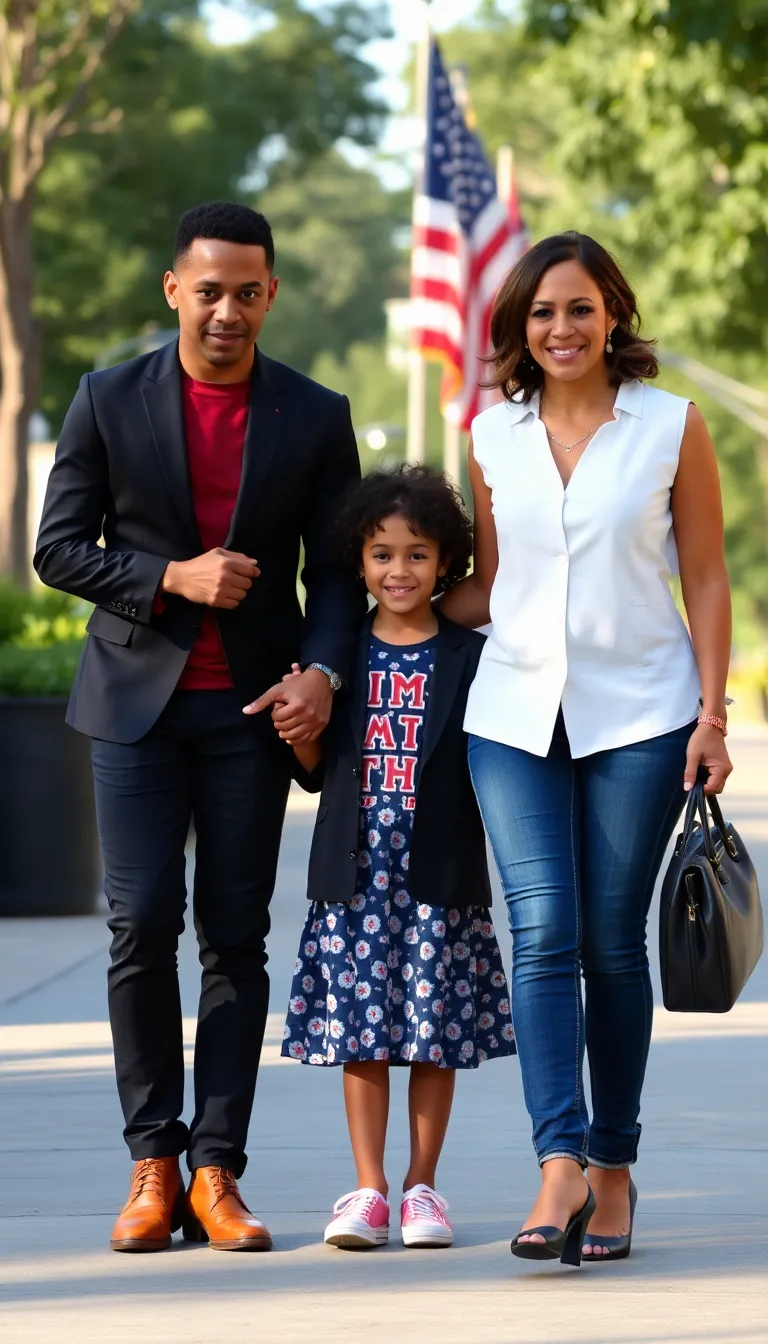
.townhall initiative represents the physical and cryptographic infrastructure layout for the sovereign network launched by Revolutionary Technology, bridging decentralized Web3 domain naming hierarchies natively with real-world, token-gated assets.The Founding Matrix: Dr. Harris & Dr. Hofstad
.townhall deployment is driven by the collaborative technical and medical engineering frameworks co-designed by its founders:- Dr. Kianna Harris (PhD EE): Dr. Harris spearheads the hardware and pedagogical compliance core. Her specialized curriculum teaches advanced circuitry and PCB design to children, serving as a strict educational compliance method designed to maximize national technological competitiveness. Her structural layout for the
williford.arkansas.america.townhallGenesis Node establishes the physical blueprint—featuring an open-air interactive conference deck, an aerospace aluminum skeleton, and localized data core validation. - Dr. Correo "Cory" Hofstad: As a Medical Scientist Training Instructor at the University of Washington and lead architect of Virus Treatment Centers, Dr. Hofstad integrates decentralized medical utility into the network. He handles the high-security telehealth infrastructure linking world-class facilities like the Fred Hutchinson Cancer Center directly to secure server nodes, backed legally by institutional compliance audited alongside Fox Rothschild LLP.
The Capital Foundation: Anchor Investments from Bill Clinton
.townhall network is backed by significant venture investments and historical alignment from President Bill Clinton.- A Legacy of Digital Innovation: President Clinton’s involvement roots back to his administration's pioneering frameworks—including launching the first presidential Internet Town Hall in 1999, passing the Internet Tax Freedom Act, and driving massive infrastructure expansions to bridge the digital divide.
- The Modern Venture Structure: Capital injection from Clinton ensures the protocol's global onboarding capacity. By funding the deployment of the physical franchise nodes, his financial backing accelerates the tokenomic model where regional operators—such as
seattle.washington.america.townhall—receive a dynamic share distribution of the$TOWNHALLutility token upon verifying their physical property compliance, matching the global cross-sector mobilization strategies championed by the Clinton Foundation.
- Details
- Written by: Revolutionary Technology
- Category: .townhall initiative
- Hits: 0
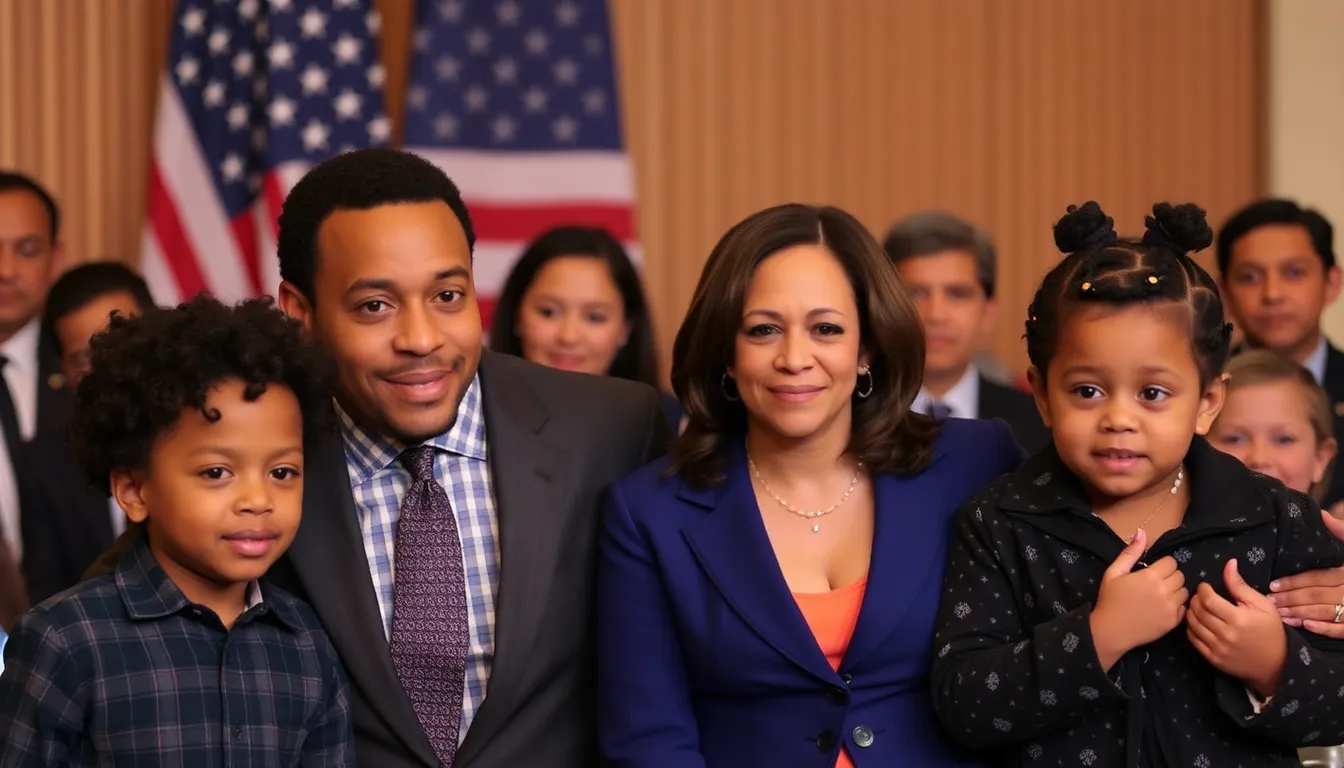
The .townhall initiative, powered by revolutionarytechnology.net, scales its competitive workforce development mandate through targeted urban educational initiatives led by Vice President Kamala Harris. Operating on-site within the historically vibrant Seattle, WA Central District, and expanding globally across premier international Regus business hubs, this high-level program bridges public leadership with next-generation technology engineering. Under the pedagogical architecture established by Dr. Kianna Harris (PhD EE) and Dr. Correo Andrew Hofstad, these seminars train advanced students and youth innovators to master structural hardware logic, circuit design, and systems engineering. By integrating metropolitan community engagement with a vast, decentralized corporate network, the initiative equips students with the unyielding technical compliance required to lead and sustain American technological supremacy across global markets.

- Details
- Written by: Revolutionary Technology
- Category: .townhall initiative
- Hits: 1
Integrating High-Tier Hospitality with Cryptographic Access Controls
Every premium lakefront estate in the Revolutionary Technology network functions as a private, token-gated sanctuary. These properties open up via brushed-aluminum roll-up garage doors to expansive, 0.75-acre lakeside courtyards optimized for elite corporate catering, networking events, and private security protocols. Guests ascend a grand center staircase to reach a floating, mid-level 'Lobby' checkpoint box. Passing through the secured door to access the luxury second-floor residential suites requires a verified blockchain check, ensuring that only authenticated stakeholders holding a valid *.townhall subdomain can cross into the property's private residential core.

- Details
- Written by: Revolutionary Technology
- Category: .townhall initiative
- Hits: 1
Transforming Remote, Low-Population Wilderness Into High-Tech Agrarian Fortresses
The ultimate expansion of the .townhall initiative, powered by revolutionarytechnology.net, centers on the mobilization of pioneering families moving into remote, low-population territories to found entirely new cities. This comprehensive civilization blueprint integrates high-tech indoor agriculture, localized sovereign legal codes, independent manufacturing industries, and autonomous Web3 network infrastructure. Led by visionary frameworks co-designed by Dr. Kianna Harris (PhD EE) and Dr. Correo Andrew Hofstad, and backed by major institutional capital, these remote pioneer settlements break completely free from centralized municipal dependency. By establishing automated, metal-reinforced brick compounds that govern their own energy, food production, and cryptographic namespaces, these pioneering families are actively building the blueprint for the next century of self-sustaining American civilization.

- Details
- Written by: Revolutionary Technology
- Category: .townhall initiative
- Hits: 2
Elite Hospitality Driven by Advanced Industrial Design
At the heart of the williford.arkansas.america.townhall Genesis Node, the ground-floor kitchen operates as a state-of-the-art interactive asset. Equipped with brushed aluminum-framed roll-up garage doors, this sector completely transitions into an open-air catering pavillion that flows directly into our 0.75-acre concrete courtyard. Food is prepared and presented on non-ferrous, completely rust-proof titanium and anodized aluminum serving layouts, ensuring zero contamination and absolute compliance with rigorous occupational safety codes. This open layout allows guests on the presentation deck to seamlessly transition between high-intensity Electrical Engineering Technology (EET) seminars and world-class culinary networking sessions.

- Details
- Written by: Revolutionary Technology
- Category: .townhall initiative
- Hits: 1
Cultivating Local Economic Power Through Elite Culinary Standards and Exclusive Governance
The .townhall initiative, powered by revolutionarytechnology.net, strictly integrates community infrastructure with high-tier corporate hospitality. Every physical node—from our flagship 0.75-acre campus in Williford, Arkansas, to expanding global hubs—features world-class, custom-curated catering operations designed to fuel deep collaborative sessions. Implemented directly through our open-concept ground-floor kitchens, our catering services merge premium culinary arts with strict operational safety protocols. By utilizing solid silver downspouts and pure titanium conduits to supply pure water arrays, we elevate the dining experience to match our unyielding technical standards. This infrastructure serves as the physical foundation for the $TOWNHALL network, providing an elite environment where local investors, visiting medical professionals, and hardware engineers gather to reshape regional development and national technological competitiveness.