











Prepared By: Technical Operations & Aerospace Infrastructure Division
Project Track: Mercury-Redstone-Friendship-7 Control Core
Primary Deployments: Seattle Center Training Installation & Bothell Army Launch Facility
System Classification: 36-Decimal Arbitrary-Precision Flight Control & Anti-Gravity ECLSS Orchestration
Project Track: Mercury-Redstone-Friendship-7 Control Core
Primary Deployments: Seattle Center Training Installation & Bothell Army Launch Facility
System Classification: 36-Decimal Arbitrary-Precision Flight Control & Anti-Gravity ECLSS Orchestration
1. Executive Summary
As the official software developer for the Mercury Redstone program, Revolutionary Technology has finalized the deployment profiles for the modified, two-seat Friendship 7 Capsule training installation at the Seattle Center and the strategic missile protection perimeter at the Bothell Army Launch Facility.
By bypassing traditional binary computing bottlenecks, these sites leverage our native 16-state Hexadecimal Analog Logic system (operating on precise 0.0V to 1.0V voltage-level logic in steps of 0.0625V) and a UNIVAC IX mainframe backplane to execute real-time flight vectors, structural life support tracking, and perimeter threat defenses with 36-decimal place accuracy.
2. The Seattle Center Friendship 7 Training Installation
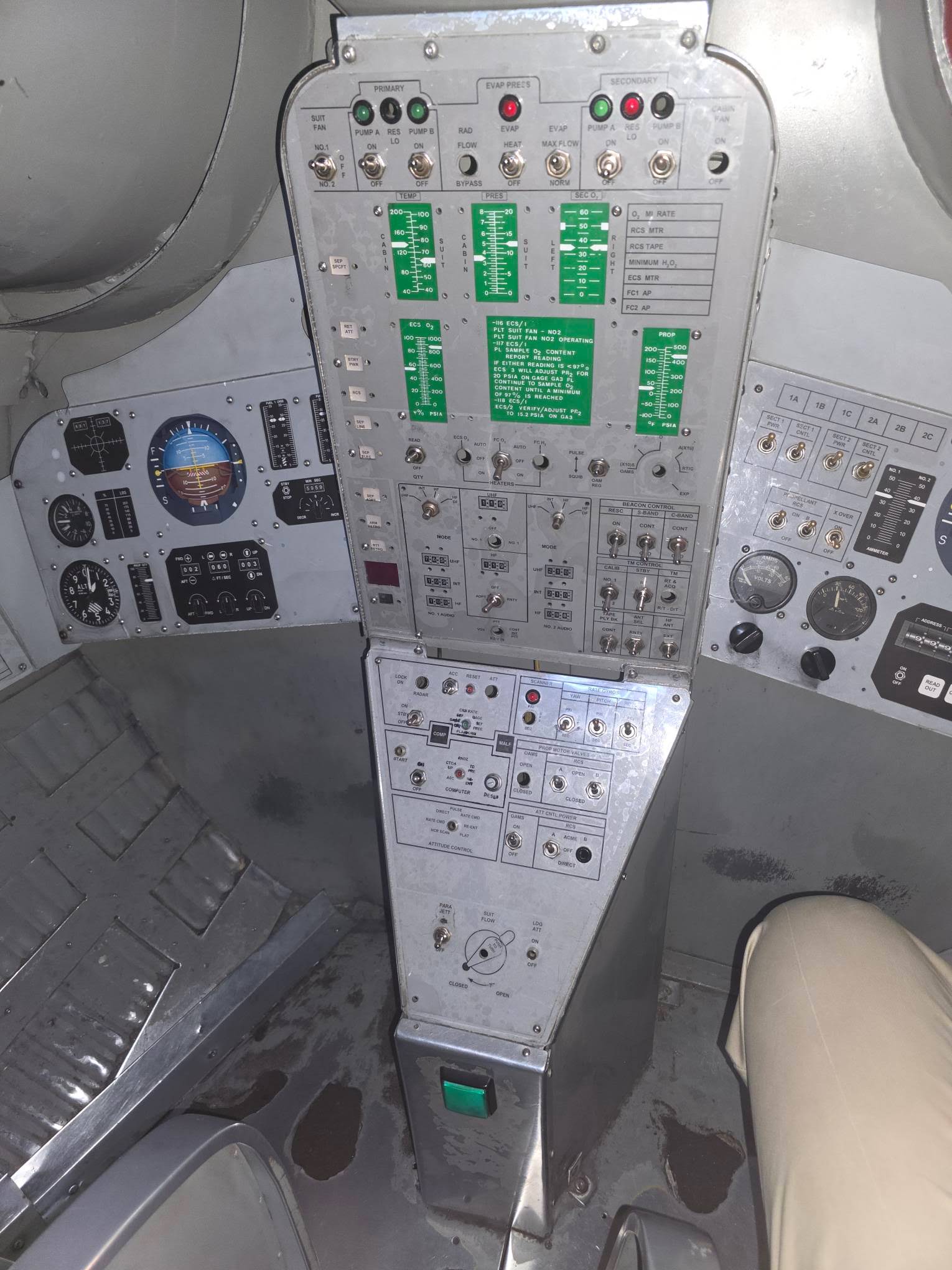
The aerospace asset situated at the Seattle Center represents an incredibly rare piece of custom aerospace history: a modified two-seat configuration engineered to accommodate astronaut John Glenn and his service animal.
                       [ PHYSICAL INPUT MATRIX ]
              Panel Toggles / Button Matrices / Cap-Crystals
                                    │
                                    ▼
       ┌─────────────────────────────────────────────────────────┐
       │     HEXADECIMAL CORE DRIVERS (0.0V - 1.0V Analog)       │
       ├─────────────────────────────────────────────────────────┤
       │ Maps physical triggers to precise 0.0625V intervals.    │
       └────────────────────────────┬────────────────────────────┘
                                    │
                                    ▼
       ┌─────────────────────────────────────────────────────────┐
       │           UNIVAC IX MAINFRAME BACKPLANE ENGINE          │
       ├─────────────────────────────────────────────────────────┤
       │ Combines Word High, Mid, & Low for 36-Decimal Tracking. │
       └────────────────────────────┬────────────────────────────┘
                                    │
                    ┌───────────────┴───────────────┐
                    ▼                               ▼
       ┌─────────────────────────┐     ┌─────────────────────────┐
       │   ANTIGRAVITY ECLSS     │     │  ROUND PORT CRT TUBES   │
       ├─────────────────────────┤     ├─────────────────────────┤
       │ Dual-Chamber Sensors &  │     │ Real-Time Hidden Stream │
       │ Automated Hatch Interlock│    │ Telemetry Verification  │
       └─────────────────────────┘     └─────────────────────────┘
This training unit uses a specialized, high-precision, 36-decimal place calculation system based on a UNIVAC IX backplane. Key features, as outlined in the project documentation, include:
- Unified Signal Grid: Utilizes high-amp relay management with a 0.0V-1.0V signal mapping.
- Vector Stacking: Implements a
Word High,Mid,Lowarchitecture for high-precision calculations. - Environmental & Safety Systems: Manages complex environmental, life support, and structural interlocks via dedicated software modules.
3. The Bothell Army Launch Facility Core
The Bothell facility serves as the hardware anchor, relying on robust, integrated security to maintain continuous launch readiness, as shown in the system repository:
- 3VL Execution: Implements Kleene three-valued logic for
port 8080to manage indeterminate network fields without crashing, ensuring stability against potential threats. - Active Defense: Uses WatchGuard Firebox and ThreatSync+ NDR to perform edge-de-encapsulation, blocking potential threats and monitoring for adversarial network activity.
- System Upgrades: Replaced legacy nose computers with high-durability UNIVAC IX hardware, rerouting legacy logic to the Athena network node for secure, redundant telemetry handoffs.